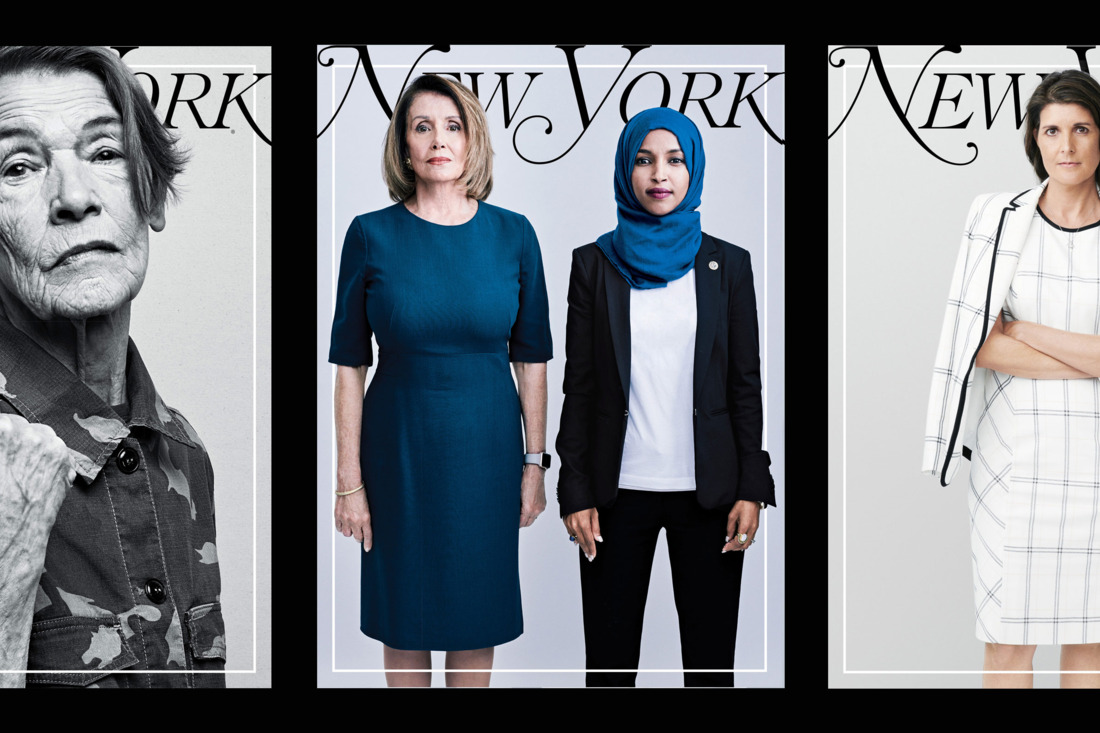
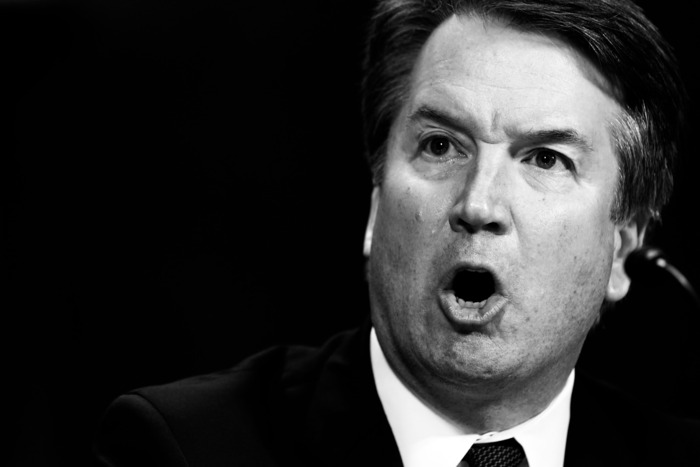
In early October, I sat down to talk with U.N. Ambassador Nikki Haley about her ascent for a special forthcoming issue of New York Magazine on women’s power. She’d recently returned from meeting with the president in Washington, D.C., where presumably she discussed her intentions to resign from her position less than a week later. When she announced her decision publicly on October 9, she did so with little explanation, saying only that she’s not running for president in 2020. “I look forward to supporting the president in the next election,” she said. Haley does nothing by accident and she gives notoriously few sit-down interviews: There’s no doubt she saw it as advantageous to sit down with New York Magazine on the eve of her resignation. Even as I conversed with Haley, all I could think of was how hard she was working to create distance from Trump and all the toxic divisiveness of Congress, positioning herself as a kinder, more compassionate representative of the GOP, open to the hurt of the world, connected to her immigrant roots — and strategic enough to keep Trump on her side as she plots her next move. Our interview took place two days before the Senate voted to confirm Brett Kavanaugh to the Supreme Court, and a precondition of the interview was no questions about Kavanaugh. When I raised the subject anyway, I was shut down. In other words, don’t expect Haley to dish before she’s ready. As she says in the interview, “I’ve always thought that silence is power and that discipline is power.”